Impacted vs. Erupted Wisdom Teeth: Understanding Your Wisdom Tooth Removal Options
Wisdom teeth are the last permanent teeth to develop, typically appearing between the ages of 17 and 25. While some people never experience problems with these third molars, many find that they create pain, crowding, or other oral health concerns that require professional treatment. One of the biggest factors influencing treatment is whether the wisdom teeth are erupted or impacted. Although both conditions can lead to the need for removal, they require different approaches during surgery.
At Dental Implant Center of Rockville, we carefully evaluate each patient's unique situation using advanced imaging and a comprehensive examination. Understanding the difference between erupted and impacted wisdom teeth can help you feel more confident about your treatment plan and know what to expect before, during, and after your procedure.
What Is the Difference Between Erupted and Impacted Wisdom Teeth?
An erupted wisdom tooth has broken through the gum tissue and is visible inside the mouth. In some cases, these teeth erupt normally and function like other molars. However, because they are located so far back in the mouth, they are often difficult to clean thoroughly. Food particles and bacteria can accumulate around them, increasing the risk of cavities, gum disease, and infection.
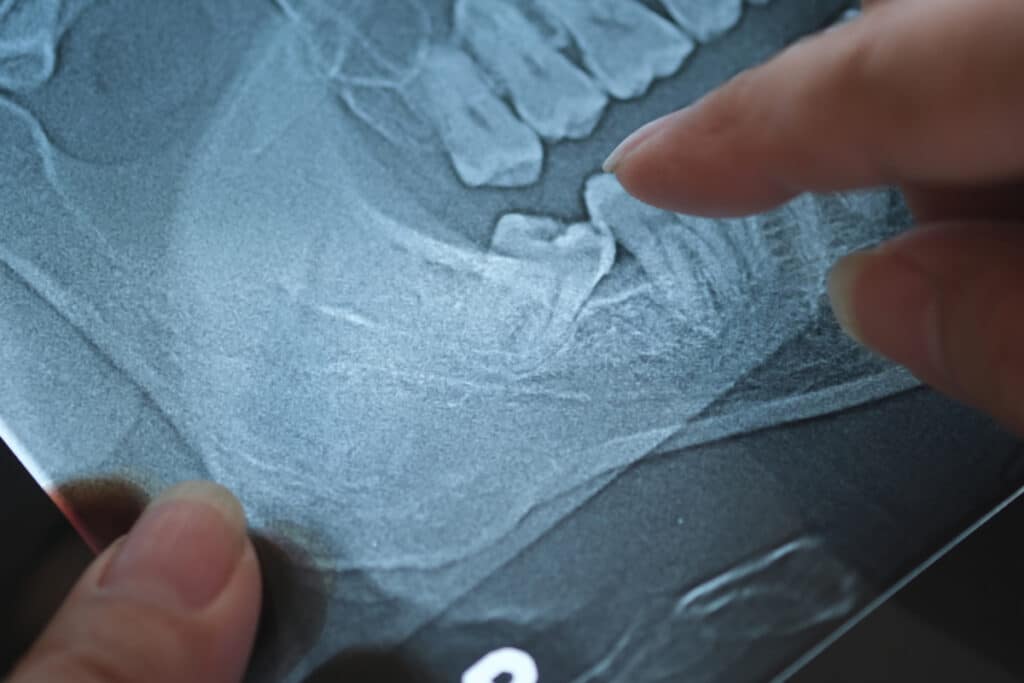
An impacted wisdom tooth never fully erupts into its proper position. Instead, it remains trapped beneath the gums, partially covered by soft tissue, or completely surrounded by jawbone. Impaction usually occurs because there is not enough room in the jaw for the tooth to emerge properly or because the tooth develops at an unusual angle.
Impacted wisdom teeth may grow sideways, lean toward neighboring teeth, or remain completely horizontal. These positions can place pressure on adjacent teeth, damage roots, or create pockets where bacteria thrive.
Types of Wisdom Tooth Impactions
Not all impacted wisdom teeth are the same. The position of the tooth determines the complexity of the procedure and influences recovery.
Soft Tissue Impaction
With a soft tissue impaction, the tooth has broken through the jawbone but remains partially or completely covered by gum tissue. These teeth are especially prone to infections because bacteria can easily become trapped beneath the flap of gum tissue.
Partial Bony Impaction
A partially impacted tooth remains partly enclosed within the jawbone while a portion of the crown has emerged. Removing these teeth typically requires both gum tissue and a small amount of bone to be carefully removed.
Complete Bony Impaction
A complete bony impaction occurs when the entire tooth remains enclosed within the jawbone. These are generally the most complex cases and require careful surgical planning to safely remove the tooth while protecting nearby structures.
How Erupted Wisdom Teeth Are Removed
Because erupted wisdom teeth are already visible, they are often easier to access during extraction. After ensuring your comfort with local anesthesia or sedation, your oral surgeon gently loosens the tooth within its socket before removing it.
Although erupted teeth are generally simpler to remove than impacted teeth, extraction is often recommended when they:
- Develop decay
- Cause gum disease
- Trap food and bacteria
- Crowd neighboring teeth
- Interfere with your bite
- Create recurring discomfort
Many patients are surprised to learn that even wisdom teeth that appear healthy may eventually cause problems because of their location. Since cleaning the very back of the mouth is challenging, these teeth often become difficult to maintain over time.
Recovery after removing erupted wisdom teeth is usually straightforward. Mild swelling and tenderness are common for several days, and most patients return to work, school, or daily activities within a few days while following their post-operative instructions.
Surgical Removal of Impacted Wisdom Teeth
Impacted wisdom teeth require a more advanced surgical procedure because the teeth are hidden beneath the gums or bone.
After administering anesthesia or sedation, your surgeon creates a small opening in the gum tissue to expose the tooth. If necessary, a limited amount of surrounding bone is carefully removed to gain access.
In many cases, the tooth is divided into smaller sections before removal. Sectioning the tooth allows each piece to be removed individually, reducing stress on the jawbone and minimizing trauma to surrounding tissues.
This approach is especially beneficial when wisdom teeth:
- Are growing sideways
- Have curved roots
- Sit close to nerves
- Are deeply embedded in bone
By removing the tooth in sections, the procedure becomes safer and more controlled.
Why Advanced Imaging Is So Important
Every wisdom tooth develops differently, which is why advanced diagnostic imaging plays such an important role before surgery.
Three-dimensional imaging allows your oral surgeon to evaluate:
- Root shape and length
- Tooth position
- Bone thickness
- Nearby nerves
- Sinus location for upper wisdom teeth
- The angle of eruption
This detailed information helps create a personalized treatment plan while minimizing the risk of complications.
At Dental Implant Center of Rockville, careful planning allows us to perform wisdom tooth removal with precision while protecting surrounding teeth, nerves, and bone.
Signs Your Wisdom Teeth May Need Evaluation
Not everyone experiences noticeable symptoms when wisdom teeth begin developing. In fact, many impacted teeth remain hidden until they are discovered during routine dental X-rays.
However, common warning signs include:
- Pain in the back of the mouth
- Jaw soreness
- Swollen or tender gums
- Difficulty opening the mouth fully
- Bad breath
- Frequent infections
- Headaches or facial pressure
- Food becoming trapped around the wisdom teeth
- Crowding of nearby teeth
Even if you are not experiencing discomfort, wisdom teeth can still damage adjacent teeth or contribute to cyst formation over time. Regular dental examinations allow these issues to be identified before they become more serious.
Why Earlier Removal Is Often Recommended
Many oral surgeons recommend evaluating wisdom teeth during the late teenage years or early twenties.
At this stage:
- The roots are still developing.
- The surrounding bone is less dense.
- Healing tends to be faster.
- Surgical procedures are often less complicated.
Waiting until later in adulthood may increase the difficulty of extraction. Fully developed roots can become intertwined with nearby nerves or extend close to the sinus cavities, making surgery more complex.
Early evaluation does not always mean immediate removal. Instead, it gives your oral surgeon the opportunity to monitor development and recommend treatment at the most appropriate time.
Recovery Depends on the Type of Extraction
Every patient's healing process is unique, but recovery generally reflects the complexity of the procedure.
Following removal of erupted wisdom teeth, patients often experience:
- Mild swelling
- Minor soreness
- Shorter recovery time
After impacted wisdom tooth surgery, recovery may involve:
- Increased swelling during the first few days
- Mild bruising
- Temporary jaw stiffness
- A slightly longer healing period
Regardless of the type of extraction, following your surgeon's instructions can make a significant difference in healing. Rest, cold compresses, prescribed medications, proper oral hygiene, and a soft-food diet all help promote a comfortable recovery.
Most patients notice steady improvement within the first week, although complete healing beneath the gums continues over the following weeks.
Choosing the Right Treatment for Your Wisdom Teeth
No two wisdom teeth develop exactly alike, which is why treatment should always be individualized. Some erupted teeth can remain healthy for years, while others quickly develop decay or crowd neighboring teeth. Likewise, some impacted teeth remain stable, while others eventually cause pain, infections, or damage to surrounding structures.
A comprehensive examination allows your oral surgeon to determine whether monitoring or removal is the best option for your long-term oral health. By identifying potential problems early, wisdom teeth extraction can often be completed before more significant complications develop.
Whether your wisdom teeth have fully erupted or remain impacted beneath the gums, timely evaluation helps protect your smile and supports a healthier future.
Frequently Asked Questions About Wisdom Tooth Removal
Is removing impacted wisdom teeth more painful than removing erupted wisdom teeth?
The procedure itself is performed using anesthesia or sedation to keep you comfortable. While impacted wisdom teeth typically involve a slightly longer recovery period, most patients find that any temporary soreness is well managed with medication and proper aftercare.
Can wisdom teeth cause problems even if they don't hurt?
Yes. Wisdom teeth can contribute to crowding, damage neighboring teeth, develop cysts, or become infected without causing immediate symptoms. Regular dental examinations and imaging help identify these issues before they become more serious.
Will I need all four wisdom teeth removed?
Not necessarily. Some patients only require removal of one or two wisdom teeth. Your oral surgeon will evaluate each tooth individually and recommend treatment based on its position, health, and likelihood of causing future problems.
Can wisdom teeth become impacted later in life?
Yes. Some wisdom teeth appear to erupt normally but later become partially impacted as surrounding gum tissue changes or neighboring teeth shift. Regular dental exams help monitor these teeth and identify problems before they become more serious.
Is sedation available for wisdom tooth removal?
Yes. Many patients choose sedation to feel more relaxed and comfortable during wisdom tooth removal. Your oral surgeon will discuss the available sedation options and recommend the one that best fits your procedure and medical history.
How soon can I eat normally after wisdom tooth extraction?
Most patients begin with soft foods for the first few days after surgery and gradually return to their normal diet as healing progresses. Your surgeon will provide personalized instructions based on the complexity of your extraction and your recovery.
At Dental Implant Center of Rockville, we provide personalized wisdom tooth evaluations and surgical care designed to protect your long-term oral health. Our experienced team uses advanced technology and individualized treatment planning to make every procedure as safe and comfortable as possible. If you have concerns about your wisdom teeth, contact us today to schedule a consultation.
Recent Posts
Contact Us
Twice a Month