Wisdom Tooth Recovery: What to Expect After Your Extraction
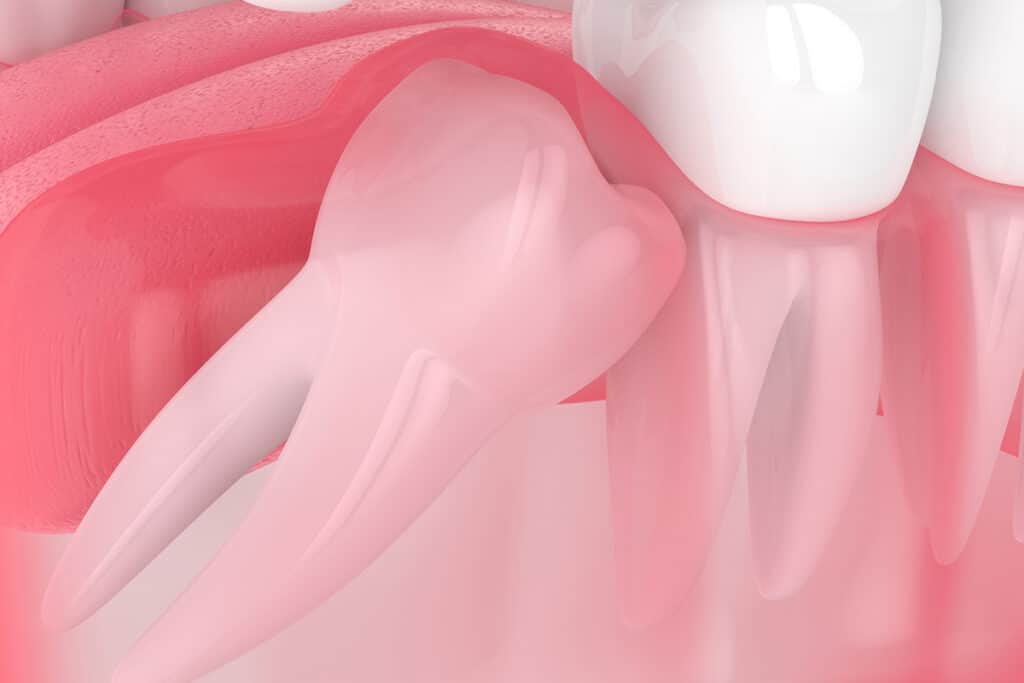
If you're preparing for wisdom tooth removal, it's natural to wonder what recovery will be like. Many people have heard stories about swollen cheeks, soreness, and eating only soft foods for days. While some discomfort is expected, most patients find that recovery is manageable when they carefully follow their oral surgeon's instructions.
At Dental Implant Center of Rockville, patient comfort is a top priority before, during, and after wisdom teeth removal. Understanding what to expect throughout the healing process can help you feel more confident about your procedure and make recovery smoother from start to finish.
Understanding the Wisdom Tooth Recovery Timeline
Every patient's recovery is unique, but most people experience a similar healing pattern. The length of recovery depends on factors such as whether the wisdom teeth have fully erupted, whether they are impacted, and how many teeth are removed during the procedure.
For simple extractions involving fully erupted wisdom teeth, many patients feel significantly better within three to five days. If the teeth are impacted beneath the gums or require surgical removal, recovery may take seven to ten days before normal daily activities become comfortable again.
Swelling typically reaches its peak within the first 48 to 72 hours before gradually improving. Bruising may develop around the cheeks or jaw and usually fades over the following week. While the extraction sites continue healing for several weeks, most patients can resume their regular routines long before complete healing occurs.
Planning ahead is one of the best ways to support your recovery. Scheduling your procedure when you can rest for several days allows your body to heal without unnecessary stress or physical demands.
The First Few Days After Surgery
The first 24 to 72 hours are the most important part of the healing process. During this time, your body forms blood clots inside the extraction sites, which protect the bone and nerves while new tissue begins to develop.
Some bleeding or oozing during the first day is completely normal. Your surgeon will provide gauze and instructions for controlling it. Mild to moderate discomfort is also expected and can usually be managed with prescribed medication or over-the-counter pain relievers recommended by your provider.
Swelling can make your face feel tight or tender, especially if multiple wisdom teeth were removed. Applying ice packs to the outside of your face for 20-minute intervals during the first day can help reduce inflammation and improve comfort.
Rest is equally important. Keep your head elevated when lying down and avoid unnecessary physical activity. Getting adequate sleep allows your immune system to focus on healing.
Eating During Wisdom Tooth Recovery
Your mouth needs time to recover, so choosing the right foods can make a significant difference in your comfort.
Immediately after surgery, stick with cool or room-temperature soft foods that require little or no chewing. Good options include:
- Yogurt
- Applesauce
- Smooth mashed potatoes
- Pudding
- Cottage cheese
- Scrambled eggs
- Smooth soups after they have cooled slightly
- Protein smoothies eaten with a spoon
As your mouth begins to heal, you can gradually introduce foods that require more chewing. Most patients are ready for pasta, soft vegetables, rice, and tender meats within several days, depending on their individual recovery.
Avoid crunchy snacks, popcorn, nuts, chips, seeds, and sticky foods until your oral surgeon confirms that the extraction sites have healed sufficiently. These foods can become trapped in the sockets and increase the risk of irritation or infection.
Drinking plenty of water also supports healing. Skip alcohol, carbonated beverages, and using straws, as the suction created by a straw may dislodge the blood clot and lead to a painful complication called dry socket.
Caring for Your Mouth After Wisdom Tooth Removal
Keeping your mouth clean is essential, but it's equally important to avoid disturbing the surgical sites during the first day.
For the first 24 hours, avoid vigorous rinsing, spitting, or brushing directly over the extraction areas. After that initial period, your surgeon may recommend gently rinsing with warm salt water several times each day, especially after meals.
Continue brushing your other teeth carefully while avoiding direct contact with the healing sockets. If your surgeon provides an irrigation syringe, use it only when instructed to flush away food particles that may collect during healing.
Good oral hygiene reduces bacteria and helps prevent infection while allowing the extraction sites to heal properly.
What Activities Should You Avoid?
Your body heals most efficiently when it isn't under physical stress. During the first several days after surgery, avoid activities that may increase blood pressure or strain your body.
It is generally recommended to postpone:
- Heavy lifting
- Intense exercise
- Running
- Sports
- Bending over repeatedly
These activities can increase swelling, bleeding, or discomfort.
Smoking and vaping should also be avoided throughout recovery. Tobacco products interfere with blood flow, delay healing, and significantly increase the likelihood of developing dry socket or infection.
Following your surgeon's activity restrictions helps minimize complications and often shortens overall recovery time.
Signs Your Recovery Is Progressing Normally
Most patients notice steady improvement each day after surgery.
Normal signs of healing include:
- Swelling that gradually decreases after several days
- Mild jaw stiffness that improves with time
- Slight tenderness around the extraction sites
- Small amounts of bruising
- Gradually increasing ability to eat more foods
Although some soreness may linger for a week or two, you should notice consistent progress.
If discomfort suddenly becomes much worse after initially improving, contact your oral surgeon promptly. Severe pain several days after surgery may indicate dry socket or another complication that requires treatment.
You should also call your provider if you experience:
- Persistent heavy bleeding
- Fever
- Significant facial swelling that continues to worsen
- Pus or foul-tasting drainage
- Difficulty swallowing or breathing
Prompt evaluation allows your surgeon to address any concerns before they become more serious.
Tips for a Faster, More Comfortable Recovery
While healing follows its own timeline, several simple habits can make recovery easier.
Stay well hydrated throughout the day and eat nutritious foods that provide your body with the nutrients needed for tissue repair.
Take all medications exactly as directed, including antibiotics if prescribed. Even if you begin feeling better, complete the full course unless instructed otherwise.
Apply cold packs during the first day, then transition to warm compresses after swelling begins to improve. Gentle jaw movements later in recovery may also help reduce stiffness.
Most importantly, follow every postoperative instruction provided by your oral surgeon. Personalized guidance based on your procedure offers the best opportunity for a smooth recovery.
Recovery Starts with Expert Surgical Care
Wisdom tooth removal is one of the most common oral surgery procedures, and most patients recover successfully with proper planning and aftercare. Knowing what to expect before your procedure allows you to prepare your home, schedule adequate rest, and approach surgery with greater confidence.
At Dental Implant Center of Rockville, our experienced team provides comprehensive oral surgery with a focus on patient safety, comfort, and personalized care. Whether you need wisdom tooth removal or another oral surgery procedure, we are committed to supporting you throughout every stage of treatment and recovery. Contact us today to schedule a consultation and learn how we can help protect your long-term oral health.
Frequently Asked Questions About Wisdom Tooth Recovery
When can I brush my teeth after wisdom tooth extraction?
You can usually brush your other teeth the day after surgery while carefully avoiding the extraction sites. Follow your oral surgeon's instructions regarding when it is safe to clean directly around the healing areas.
Is swelling after wisdom tooth removal normal?
Yes. Swelling is a normal part of the healing process and typically peaks within two to three days after surgery before gradually improving. Ice packs during the first 24 hours can help minimize swelling.
How can I avoid getting dry socket?
Avoid smoking, using straws, vigorous rinsing, and other activities that create suction inside your mouth during the early stages of healing. Carefully following your surgeon's postoperative instructions greatly reduces your risk of developing dry socket.
Can I drive myself home after wisdom tooth removal?
No. If you receive IV sedation or general anesthesia, you will need a responsible adult to drive you home and stay with you for at least the first few hours after surgery. Even if you feel alert, the effects of sedation can linger and make driving unsafe.
How long should I wait before eating solid foods again?
Most patients can begin adding soft solid foods after several days as their comfort improves. Hard, crunchy, or chewy foods should be avoided until your oral surgeon confirms the extraction sites are healing properly, which is typically about one to two weeks depending on your procedure.
At Dental Implant Center of Rockville, we are dedicated to providing compassionate oral surgery and dental implant care using advanced techniques and personalized treatment plans. Our team works closely with every patient to deliver comfortable, high-quality care from consultation through recovery. Contact us today to schedule an appointment.
Recent Posts
Contact Us
Twice a Month